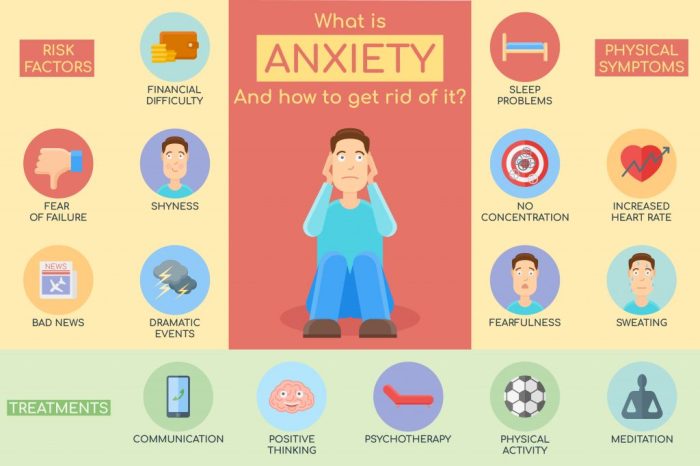
With symptoms of health anxiety at the forefront, it’s essential to understand how this mental health condition manifests in our daily lives. Health anxiety can be a perplexing experience, often leading individuals to misinterpret normal bodily sensations as signs of severe illness. By exploring the range of symptoms associated with health anxiety, we can better understand its impact and the importance of addressing it.
Health anxiety typically entails a cycle of worry and fear surrounding personal health, which can vary widely from person to person. Symptoms can range from excessive worrying about minor health issues to physical manifestations like increased heart rate or fatigue, significantly affecting one’s quality of life.
Understanding Health Anxiety
Health anxiety, often characterized by an excessive preoccupation with health-related concerns, plays a significant role in mental health. Those who experience health anxiety may frequently worry about having a serious illness, despite having little to no medical evidence to support their fears. This condition can lead to a cycle of anxiety, where the individual’s thoughts and behaviors become increasingly focused on their perceived health threats.The origins of health anxiety can vary greatly among individuals, often rooted in a combination of genetic, psychological, and environmental factors.
Traumatic experiences, such as a severe illness in childhood or a family history of medical conditions, can heighten sensitivity to health issues. Additionally, individuals with a predisposition to anxiety disorders may find themselves more susceptible to developing health anxiety.Demographically, health anxiety can affect various groups, but it is particularly prevalent among young adults and middle-aged individuals. Women are statistically more likely to report symptoms of health anxiety than men, although the condition is increasingly recognized across all genders.
Symptoms of Health Anxiety
Common symptoms associated with health anxiety can vary widely, encompassing both physical and psychological manifestations. Individuals may obsessively check for symptoms, frequently visit medical professionals, or engage in excessive research about diseases.
- Physical Symptoms: Such as headaches, fatigue, or gastrointestinal issues that may arise from anxiety rather than an actual health condition.
- Psychological Symptoms: This includes persistent worry about health, fear of serious illness, and difficulty concentrating due to health concerns.
- Behavioral Symptoms: Repeatedly seeking reassurance from doctors or avoiding situations that could trigger health concerns.
The intensity and nature of these symptoms can vary significantly from person to person. Some may experience mild anxiety, while others could face debilitating fears that interfere with daily life.
Impact on Daily Life
Health anxiety can profoundly affect daily routines and social interactions. Individuals may find themselves avoiding social gatherings for fear of exposure to illness or may struggle to focus on work due to overwhelming health concerns. In professional settings, health anxiety can lead to decreased productivity, as individuals may take excessive sick days or find it challenging to engage in tasks that require concentration.
Similarly, students may experience academic challenges, such as difficulty completing assignments due to health-related worries.Moreover, health anxiety often coexists with other mental health disorders, such as generalized anxiety disorder or depression. This relationship can compound the individual’s overall mental health challenges, creating a cycle that is difficult to break.
Coping Mechanisms and Strategies
Managing health anxiety requires a multifaceted approach. Effective coping strategies can include mindfulness practices, cognitive-behavioral techniques, and establishing a routine that minimizes triggers for anxiety. Therapy and counseling play a crucial role in addressing health anxiety. Cognitive-behavioral therapy (CBT) is particularly effective, helping individuals identify and challenge irrational fears related to their health. Self-help resources can further empower individuals to manage their symptoms.
This includes:
- Mindfulness apps that promote relaxation and stress reduction.
- Books and online forums that provide insights into coping with health anxiety.
- Support groups where individuals can share experiences and strategies.
Role of Home Health Care
Home health care professionals can offer crucial support for individuals dealing with health anxiety. These professionals provide reassurance through regular check-ins, helping to alleviate fears about health concerns.Integrating health care assistants into the management of health-related fears can lead to better outcomes for individuals. Their presence allows for personalized support, addressing both physical health needs and emotional well-being.Health equity is also an important consideration in the context of health anxiety support.
Ensuring that all individuals have access to mental health resources, regardless of socioeconomic status, is vital in reducing the stigma associated with health anxiety.
Nutrition and Health Anxiety
Diet plays a significant role in mental health, and certain food choices can help alleviate symptoms of health anxiety. Consuming a balanced diet rich in whole foods, such as fruits, vegetables, whole grains, and lean proteins, can enhance overall well-being.Research indicates a strong connection between nutrition and mental health, suggesting that certain nutrients can positively influence mood and anxiety levels.
Here are dietary recommendations for those experiencing health anxiety:
- Omega-3 fatty acids, found in fish and flaxseeds, may help reduce anxiety.
- Complex carbohydrates from whole grains can promote serotonin production, enhancing mood.
- Hydration is crucial, as dehydration can exacerbate feelings of anxiety.
Health and Fitness Connection
Physical activity is a powerful tool in managing anxiety symptoms. Regular exercise can release endorphins, which are natural mood lifters, and help relieve tension.Incorporating workout routines that promote mental well-being can include:
- Aerobic exercises such as running, cycling, or swimming, which can significantly reduce anxiety levels.
- Yoga and tai chi, focusing on mindfulness and relaxation techniques.
- Strength training, which has also been shown to improve mental health outcomes.
Different types of exercise can have varying effects on health anxiety. For example, high-intensity workouts may provide immediate stress relief, while low-impact activities like yoga can promote long-term relaxation and mindfulness.
Healthcare Systems and Support

Healthcare systems can improve their approach to health anxiety by integrating mental health support into primary care settings. This ensures individuals receive comprehensive care that addresses both physical and psychological aspects.Health clinics should prioritize mental health services by offering screenings for anxiety disorders, providing access to therapists, and creating a supportive environment for patients.Education is critical in reducing stigma surrounding health anxiety.
Increasing awareness about mental health within healthcare settings can foster a more understanding approach to those struggling with health concerns.
Community and Social Care
Community programs play an essential role in supporting individuals with health anxiety. These initiatives can provide educational resources, workshops, and group therapy sessions that foster a sense of belonging.Health alliances can be instrumental in connecting individuals to vital mental health resources. By collaborating with local organizations, they can offer comprehensive support that addresses the unique challenges faced by those with health anxiety.Some organizations that offer help for health anxiety include:
- National Alliance on Mental Illness (NAMI)
- Anxiety and Depression Association of America (ADAA)
- Local mental health clinics that provide specialized services.
Health Benefit Programs
Access to health and medical insurance coverage for mental health services is crucial for those suffering from health anxiety. Comprehensive coverage can alleviate the financial burden of therapy and medications, making treatment more accessible.Various health benefit programs exist to support individuals with health anxiety. These programs often include therapy sessions, medication management, and wellness initiatives designed to promote mental well-being.Identifying gaps in healthcare systems that can be improved is essential for supporting mental health.
Primarily, enhancing access to affordable mental health care can significantly benefit individuals struggling with health anxiety.
Health and Safety in the Workplace
Workplace mental health directly impacts overall employee productivity. Employers who prioritize mental well-being create a healthier work environment, fostering employee engagement and satisfaction.Jobs that emphasize health and safety often include support for mental health, offering resources like counseling services and wellness programs.Examples of workplace initiatives that can help manage health anxiety include:
- Implementing stress management workshops and training.
- Creating a supportive culture that encourages open discussions about mental health.
- Providing access to mental health resources and support groups within the workplace.
Future Perspectives on Health Anxiety
The awareness of health anxiety is expected to evolve significantly in the coming years. As mental health discussions become more open, individuals will likely seek supportive resources more readily.The integration of technology in monitoring and supporting health anxiety is also on the rise. Mobile apps and telehealth services can offer immediate support and resources to those in need.Telehealth, in particular, has the potential to provide care for health anxiety, allowing individuals to connect with mental health professionals without geographical limitations, making it a valuable resource for those facing health-related fears.
Conclusion
In conclusion, recognizing the symptoms of health anxiety is vital for anyone affected by this condition. Understanding these symptoms not only helps in managing anxiety but also highlights the importance of seeking support, whether through professional help or community resources. By addressing health anxiety, individuals can reclaim their peace of mind and enhance their everyday lives.
Clarifying Questions
What are the main symptoms of health anxiety?
Main symptoms include excessive worry about health, frequent checking of body symptoms, avoidance of health-related information, and seeking constant reassurance from others.
Can health anxiety cause physical symptoms?
Yes, health anxiety can lead to physical symptoms such as tension headaches, stomach issues, rapid heartbeat, and fatigue, as anxiety often manifests in physical ways.
How can I differentiate between health anxiety and a real health concern?
Health anxiety usually involves persistent worry that is disproportionate to actual health risks and often leads to avoidance behaviors, whereas real health concerns are based on tangible symptoms or diagnoses.
Is health anxiety common?
Yes, health anxiety is quite common and can affect anyone, regardless of age or background, and is often linked to increased stress or uncertainty in life.
What role does therapy play in managing health anxiety?
Therapy, particularly cognitive-behavioral therapy, can be highly effective in helping individuals manage health anxiety by addressing negative thought patterns and developing healthier coping strategies.


